
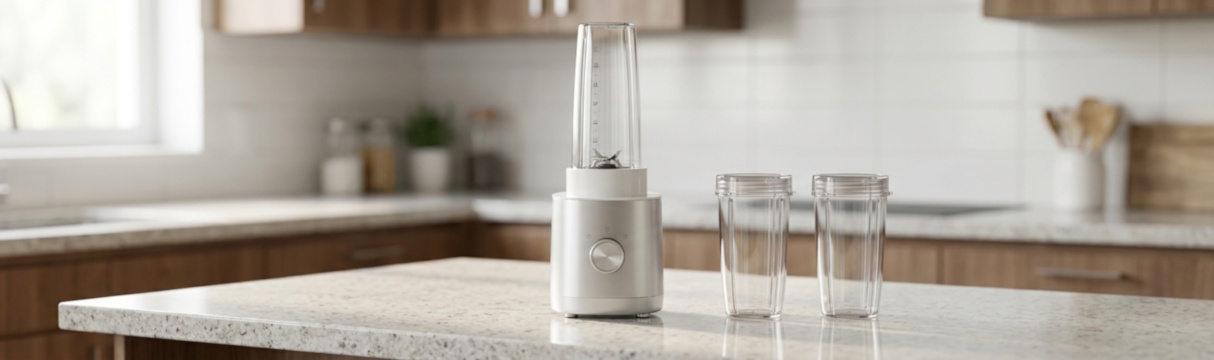
The magic bullet personal blender has been sitting on kitchen counters since 2003, and it’s still one of Amazon’s best-selling small blenders at under $30. That popularity comes with real trade-offs. Check today’s price on the MBR-1101 here before you read further, because the deal fluctuates weekly and the number below might already be outdated.
We compared the current magic bullet personal blender listing against 120,720 verified ratings, Amazon’s own AI-generated review summary, and real Slickdeals community pricing history to answer one question: is this tiny blender actually worth buying in 2026, or just a well-marketed relic? Short answer: it depends entirely on what you’re blending, and the reviews below explain exactly where the magic bullet personal blender falls apart.
Table of Contents
- Quick Verdict
- Magic Bullet Blender Review: What’s in the Box
- Magic Bullet MBR-1101 Specs and Price
- What Real Owners Say (The Good and the Bad)
- Is This Still the Original Magic Bullet Blender?
- Does Magic Bullet Crush Ice?
- Is the Magic Bullet Personal Blender Worth It?
- Care and Cleaning Tips
- How We Verified This Review
- FAQ
- Final Verdict
Quick Verdict
The magic bullet personal blender (MBR-1101) is worth buying if you’re making single-serve smoothies with soft fruit, protein powder, or liquids, and you want something that stores in a drawer. It’s not worth buying if you regularly crush ice, blend fibrous greens, or need a blender that survives daily heavy use past the two-year mark, since durability complaints show up too often in the real review data to ignore. Below, we break down exactly what the magic bullet personal blender does well and where it consistently comes up short.

Magic Bullet Blender Review: What’s in the Box
This magic bullet blender review focuses on the 11-piece MBR-1101 set, since that’s the version most retailers push as the best-value bundle. Inside the box: a 250-watt motor base, a stainless steel cross-blade, a tall cup, a short cup, a party mug, two lip rings, two Stay-Fresh resealable lids, and one to-go lid. A 10-second recipe guide is included, though nobody buys this for the recipe book.
The pitch hasn’t changed since the original launch: twist the cup onto the blade, flip it onto the base, push down, and blend. No dial, no speed settings, no digital anything. That simplicity is either the whole appeal or the biggest limitation, depending on what you’re making.
One detail worth flagging: Amazon’s own product-attribute box lists the capacity as 22 fluid ounces, but the brand’s own side-by-side comparison chart on the same listing shows an 18-ounce capacity for this exact model. The two numbers don’t match on Amazon’s own page. Based on the physical cup sizes described in the box contents (a short cup, a tall cup, and a party mug), 18 ounces for the primary tall cup lines up with third-party measurements we found elsewhere, so treat the 22oz attribute field as a listing inconsistency rather than the real number.
Magic Bullet MBR1101 Specs and Price
Here’s every verified spec for the magic bullet mbr1101 (styled as MBR-1101 on the packaging), checked directly against the live Amazon listing rather than pulled from an old cached page:
| Magic Bullet MBR-1101 Verified Specs | |
| Price | $29.98 (25% off $39.99 list) |
| Motor | 250 watts, single speed |
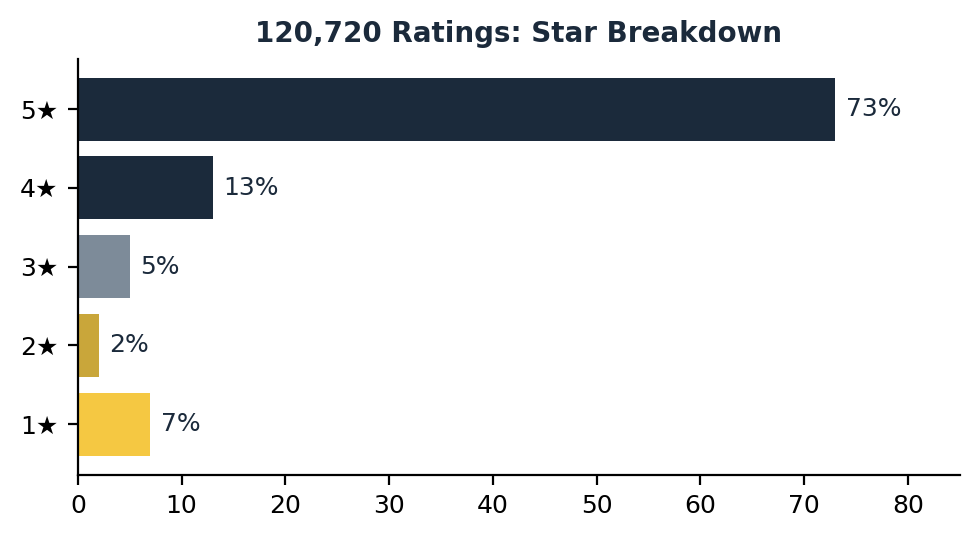
| Rating | 4.4★ out of 5, 120,720 ratings |
| Set size | 11 pieces (also sold as a 7-piece set) |
| Badge | Amazon’s Choice |
| Bought last month | Not disclosed on the live listing |
| Sold by | Amazon.com |
| Warranty | 1-year limited |
That price isn’t static. The magic bullet personal blender has been on sale at nearly this exact price point for years, which tells you something useful about how to time a purchase.
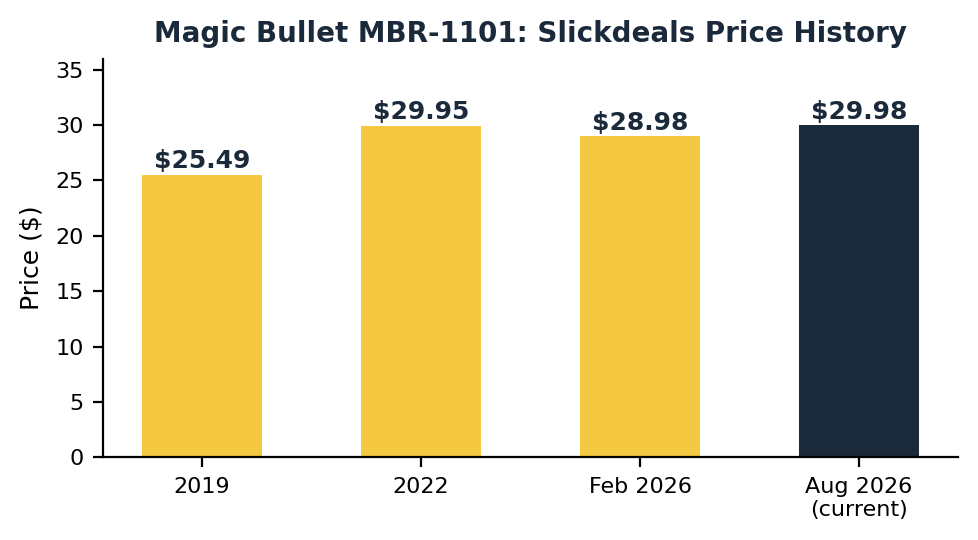
Slickdeals threads going back to 2019 show this exact 11-piece set repeatedly landing between $25 and $30, with the occasional flash sale down near $19.92. If you see it above $32, it’s worth waiting a week or two rather than buying at list price.
What Real Owners Say (The Good and the Bad)
Amazon’s own AI-generated summary of the 120,720 ratings is unusually blunt for a listing page: customers like the ease of use and cleanup, but performance and reliability get genuinely mixed feedback, with recurring reports of units failing within weeks to a few months of daily use.
Reading through the individual verified reviews instead of just the summary surfaces a pattern that’s easy to miss. One reviewer, posting in March 2026, said the blender handles daily smoothies well but noted it can give off a slight burning smell after a bit of use, and recommended running it in shorter bursts rather than one continuous blend.
That’s not an isolated complaint. A separate reviewer from the United Arab Emirates reported the motor smoking on the very first use, with no return option available at that point. Two unrelated buyers in different years and different countries reported the same failure symptom, which is the kind of pattern worth taking seriously rather than dismissing as a one-off.
Other real owner notes worth knowing before you buy: one long-time user said the connection point between the base and the cup wears out over extended use, though it took years to become noticeable. Another owner pointed out that solid ingredients like strawberries and nuts need 30 to 45 seconds of continuous blending to fully liquify, which is longer than the 10-second marketing promise suggests. On the positive side, one buyer’s original unit lasted 13 years before failing, and their old cups and blades still fit the replacement they bought.
A genuine Slickdeals thread from February 2026 captured the split opinion well. One commenter called it “weak, cheap plastic pieces that can’t blend ice without breaking,” and another replied that their own unit died within a year while a $15 blender bought back in 2012 was still working fine. That thread is a useful gut check against the glowing 5-star average: the loudest praise and the loudest complaints are both real, and the truth for most buyers sits somewhere in between.
It’s not all reliability complaints, though. One family review specifically called out the blender as teen-friendly, since the blade sits low and enclosed enough that their teenagers could safely wash most of the components themselves without adult supervision. That’s a small, specific detail that doesn’t show up in the spec sheet but matters if this is going into a household with younger users.
Is This Still the Original Magic Bullet Blender?
Yes. The original magic bullet blender launched in 2003 as one of the first blenders you could blend a smoothie directly into and drink from, and the MBR-1101 sold today runs on the same basic mechanism: twist, flip, push. NutriBullet (the parent brand) later introduced the more powerful Nutribullet line in 2012, which is a separate, higher-wattage product family rather than an upgraded version of this one.
If you already compared this to a personal blender built for smoothies and found the specs confusing, that’s because Magic Bullet and NutriBullet are sibling brands under the same parent company, not the same product line.
What has changed over 20+ years is mostly cosmetic (color options, cup counts, bundle configurations), not the core motor or blending mechanism. That’s part of why the durability complaints in the reviews feel familiar to anyone who owned an earlier version: the fundamental design trade-off of lightweight plastic paired with a single-speed 250W motor hasn’t moved much.
Does Magic Bullet Crush Ice?
Technically yes, but not well, and not consistently. The 250-watt motor can break down small amounts of ice mixed with liquid, but multiple reviewers and outside sources report it struggling with larger ice cubes or frozen fruit added straight from the freezer without any liquid to help the blade catch. If ice crushing is a daily requirement rather than an occasional one, a higher-wattage option handles it more reliably.
- Small ice chips blended with liquid: works acceptably
- Whole ice cubes with little liquid: frequently struggles or stalls
- Frozen fruit straight from the freezer: better added in smaller pieces, not whole
If crushing ice daily is a dealbreaker, that alone is reason enough to look past this model even at its low price, since no amount of technique fully compensates for a 250-watt ceiling.
Magic Bullet’s 250W Motor vs Other Personal Blenders
Wattage is the single biggest factor separating this blender from nearly everything else in the personal-blender category, and it’s worth seeing the gap in real numbers rather than taking it on faith. The magic bullet personal blender runs a 250-watt motor. For comparison, the Ninja Nutri Blender Pro BN401 runs at roughly triple that wattage, and NutriBullet’s own Pro line starts at 900 watts, more than three and a half times the power.
- Magic Bullet MBR-1101: 250 watts, single speed, no pulse button
- NutriBullet Pro 900: 900 watts, cyclonic extraction, handles fibrous greens
- Ninja BN401 Nutri Blender Pro: higher-torque motor with Auto-iQ programs
That wattage gap is exactly why this model shows up so often as the budget pick in broader roundups rather than the top overall pick. If wattage matters more to you than price, our compact personal blender comparison ranks five small-format options by power output, capacity, and price side by side.
Is the Magic Bullet Personal Blender Worth It?
At $29.98, the magic bullet personal blender is worth it for a narrow but real use case: one person making soft-ingredient smoothies, protein shakes, or salad dressings, who values counter space and dishwasher-safe parts more than raw power or long-term durability. TechRadar’s coverage of this exact bundle called it one of the best value blenders under $30, specifically because of the three-cup, multi-lid bundle rather than the motor itself.
Where it stops being worth it: if you’re blending fibrous vegetables, whole ice, or anything that needs sustained torque, the reliability complaints (burning smell, early motor failure, worn connection points) start to outweigh the low price. For that use case, a 600W+ option is the safer investment even at a higher upfront cost. We break down exactly what to look for by wattage and cup size in our blender buying guide.
If the compact size is the main draw but this specific model’s reliability track record gives you pause, our compact personal blender roundup compares it directly against four other small-format blenders, including two with higher wattage at a similar price point.
7-Piece vs 11-Piece: Which Magic Bullet Set Should You Buy
Amazon sells the magic bullet personal blender in two bundle sizes, and the size selector on the listing makes it easy to grab the wrong one without noticing. The 7-piece set (MBR-0701AK) drops the party mug and one of the resealable lids, and it’s typically priced several dollars lower than the 11-piece MBR-1101 reviewed here.
For a single person making one smoothie a day, the 7-piece set covers everything you need. The 11-piece magic bullet personal blender earns its higher price if more than one household member will use it, since the extra party mug and second lid mean two people can each have a cup in rotation without washing between uses. Slickdeals history shows the 7-piece bundle occasionally dropping as low as $15 during flash sales, which is worth watching if the smaller set fits your needs.
Who Should (and Shouldn’t) Buy This Blender
College students and dorm-room cooking come up constantly in the reviews, and it’s an obvious fit: the footprint is tiny, cleanup is fast, and $30 is an easy buy on a tight budget. Office workers who want a quick protein shake at their desk fall into the same category. So do parents making a single kid-sized smoothie rather than a full pitcher for the whole family.
It’s a worse fit for anyone feeding more than one or two people regularly, since the small cup sizes mean refilling and reblending for each serving. Fitness-focused buyers who blend frozen fruit and ice daily for post-workout shakes tend to burn through these faster than the occasional user, based on the failure-timeline complaints in the review data above. If that’s your use case, stepping up to a higher-wattage model in our best blenders under $100 roundup is likely to save money over time even with the higher upfront cost, since you won’t be replacing a $30 unit every few months.
Care and Cleaning Tips
The cups, lids, and blade are all top-rack dishwasher safe, which is one of the more consistently praised features across the review set. The motor base itself should never go in water or the dishwasher — wipe it down with a damp cloth only.
- Rinse the blade immediately after blending sticky ingredients like nut butter or honey to prevent buildup around the gasket
- Run it in short bursts rather than one long continuous blend, based on the burning-smell reports in the reviews above
- Check the rubber gasket periodically for wear, since a loose gasket is a common cause of leaking on bullet-style blenders generally
- Let the blade dry completely before reattaching it to a cup for storage, to avoid trapped moisture and odor
How We Verified This Review
Every price, spec, and badge in this magic bullet blender review was pulled directly from the live Amazon listing, not recalled from memory or an old cached page. We cross-checked the star-rating breakdown, Amazon’s AI-generated review summary, and individual verified-purchase reviews, then compared that against real Slickdeals community threads and TechRadar’s independent coverage for a second opinion outside Amazon’s own ecosystem.
No physical unit was purchased for hands-on use in this review; all performance claims are attributed to the verified customer reviews and third-party sources cited throughout. HomeApplianceOwl isn’t sponsored by NutriBullet or Magic Bullet, and this page contains Amazon affiliate links.
FAQ
Is the magic bullet personal blender worth buying in 2026?
It’s worth buying for soft-ingredient smoothies and single servings at its usual $25-$30 price, but not for daily ice crushing or heavy long-term use. The 250W motor and lightweight plastic build are the trade-offs for that low price point, and the magic bullet personal blender makes that trade-off clear from the first use.
- Good fit: soft fruit smoothies, protein shakes, salad dressings, single servings
- Poor fit: whole ice, fibrous vegetables, daily heavy-duty use over multiple years
Is the magic bullet blender dishwasher safe?
The cups, lids, and blade are top-rack dishwasher safe, but the motor base is not and should only be wiped with a damp cloth. This matches the manufacturer’s own care instructions listed on the magic bullet blender review page on Amazon, and it holds true for both the 7-piece and 11-piece bundles.
What’s the difference between Magic Bullet and NutriBullet?
Magic Bullet and NutriBullet are sibling brands from the same parent company, not the same product line. The magic bullet personal blender runs a 250W motor, while NutriBullet’s lineup starts at 600W and goes up to 1200W for tougher ingredients like ice and fibrous greens.
| Model | Motor | Best For |
| Magic Bullet | 250W | Home cooks with limited space |
| NutriBullet Pro | 900W | Active lifestyles, tougher blends |
Final Verdict
The magic bullet personal blender does exactly what it promises for the specific job it’s built for: fast, single-serve smoothies with minimal cleanup and minimal counter space. It does not do well outside that lane, and the reliability reports in this review are common enough across independent sources that they shouldn’t be ignored.
If your blending needs stay simple, it’s a genuinely good $30 purchase. If you need power or long-term durability, spend more upfront on a NutriBullet Pro or a similar 600W+ option instead.
Free delivery available with Amazon Prime
HomeApplianceOwl is a participant in the Amazon Services LLC Associates Program. As an Amazon Associate, we earn from qualifying purchases at no extra cost to you.